A gift card that shows a zero balance the first time it is used has one of two histories: the value was loaded and then spent by someone else, or it was never loaded at all. The second happens when the activation call times out and the point of sale completes the sale anyway. The receipt says activated, the payment was approved, and the person who finds out is the recipient, some time later and somewhere else.
- A zero balance at first use has two causes, drained or never activated, and the card's load history tells them apart.
- The receipt prints from the sale. The balance depends on a second call that can time out without stopping the sale.
- Compare cards sold with cards activated every day. The difference is a list to work before the recipients find it.
A sale with two halves
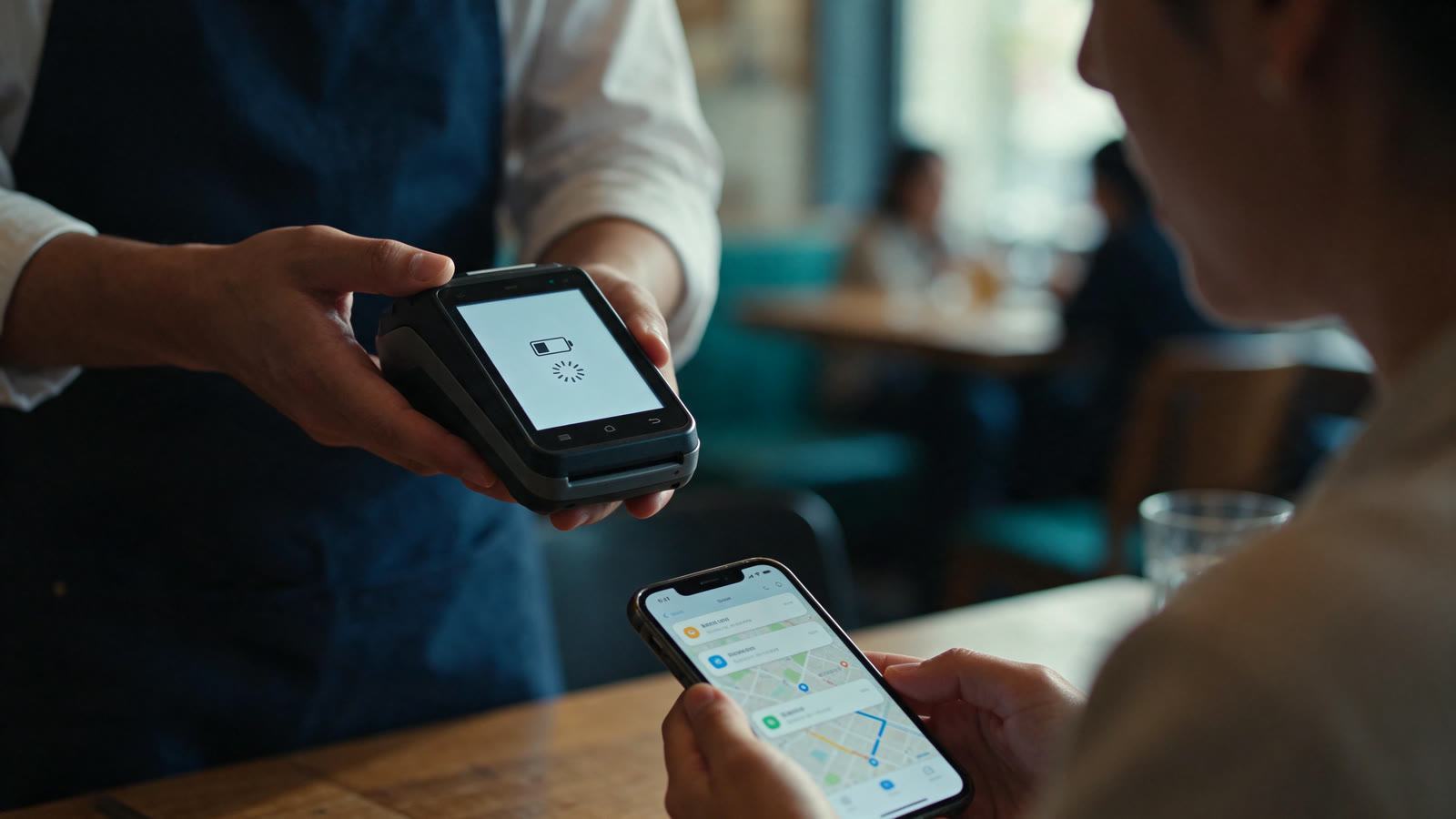
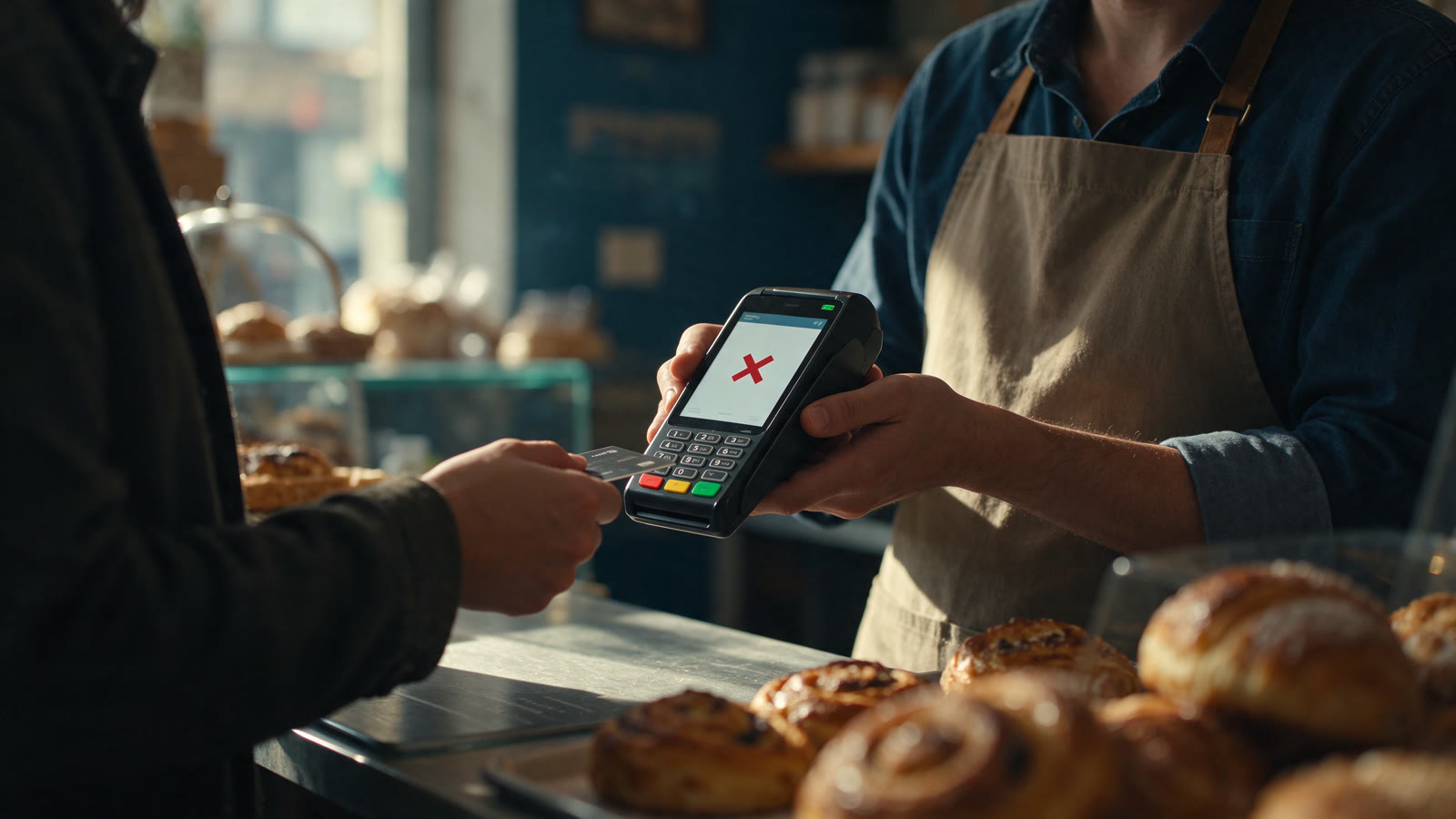
Selling a gift card is two transactions that look like one. The customer pays, which is an ordinary sale. Then the point of sale asks the gift card processor to activate the card and load its value. Until that second call succeeds, the card in the customer's hand is a piece of plastic, or a code, with nothing behind it.
Suppose the activation call times out. The till has already taken payment, and the software was written so that a slow partner service never blocks a sale. It completes the transaction and prints a receipt whose gift card line reads “activated”, because the receipt prints from the sale record and not from the processor's reply. If no retry succeeds, the card has been sold and never activated.
Two histories behind one complaint
The complaint arrives as “my card has nothing on it”. That sentence covers two different failures:
- Drained: the value was loaded, then spent by someone else before its rightful holder used it. That is fraud.
- Never activated: no value was ever loaded. That is an integration failure, and the money is sitting in the retailer's own takings.
In the support queue the two look identical, and fraud is the natural first explanation. The processor's load history separates them: a drained card shows a load and then a redemption somewhere else, and a card that was never activated shows no load at all. How many of each you have is not something to assume. It is something to count.
Why every system stays green
- The point of sale recorded a completed sale with an approved payment.
- The receipt says activated.
- The gift card processor shows a healthy service with a few slow requests. From its side, a caller gave up waiting.
- Finance sees gift card sales in the takings, as expected.
- The support AI agent, shown a receipt that says activated, treats the card as loaded, logs the contact as suspected fraud and offers a replacement.
A gift card is bought by one person and spent by another, later, perhaps in a different shop. The discovery is separated from the cause by time, by place and by who holds the card. Nobody connects a slow afternoon on the tills with a complaint that reaches the contact centre long afterwards.
The records to put side by side
- Activation requests in the point-of-sale or middleware log that ended in a timeout, with the card identifier and the store.
- The sales record for the same cards, showing payment taken.
- The processor's view of those cards: status inactive, no load in the history.
- Balance queries on those cards returning zero: a recipient checking.
- Complaints and replacement cards issued, with the receipts customers send in.
The first three prove the mechanism. The last two show which cards a customer has already found.
Sizing it
The unit of loss is unactivated card value and the liability that goes with it. For your own estate:
- Count cards with a completed sale and no successful activation.
- Sum their face value. That is money taken for value never delivered.
- Split the cards into complained about, queried but not complained about, and never touched. The third group is the exposure still ahead.
- Add the handling cost of each complaint, and any replacements booked as fraud losses for cards that were in fact never loaded.
Finance will want the second number too: cash was received for cards the programme does not show as outstanding, so the books understate what customers are owed.
Why it comes back
Each complaint is resolved on its own: a replacement card, an apology, a closed ticket. That makes the customer whole and takes the evidence out of view. The conditions that produce timeouts return with peak trading, a store network change, or a release that alters the timeout or the retry. Unless someone compares sold with activated, each recurrence starts from nothing.
What fixes it, and who owns each part
- Point-of-sale team: print “activated” only on a confirmed reply. On a timeout, tell the cashier, query the card's status before retrying, and keep the retry until it is confirmed.
- Gift card programme owner: a daily comparison of cards sold against cards activated, by store.
- Customer service: activate the affected cards before their holders try them, and reclassify replacements that were booked as fraud.
- Support AI agent: an eval case its next release must pass. Before treating a zero balance as fraud, it checks whether the card was ever loaded.
Where Traxivo fits
Traxivo reads the point-of-sale logs, sales records, card status, complaints and agent traces your systems already produce, through read-only connections, with nothing installed on the tills. It links them into one issue with a history, recognises when the same gap returns, names the owners, and drafts the activation list for a named person to approve. It does not activate cards; people do that after approval. The agent's part becomes an eval case for its next release. Dead gift cards are one of the ten payments failure patterns Traxivo is built to find, and the same shape appears in the other industries we cover.
The ten use cases on the Traxivo for Payments page are the ones most payments and commerce estates share. Your niche will have failures of its own. We build custom solutions for those on top of the same platform: connectors for the feeds only your niche has, detection for the pattern only your estate shows, and the loss counted in your own unit. The same approach extends to niches such as stored-value and gift card programmes, fuel forecourts and unattended kiosks, restaurant and hospitality point of sale and marketplaces paying out sellers.
Sources
- Datos Insights, cited by a chargeback vendor. What Mastercard’s Chargeback Research Can Tell Us About Improving the Dispute Process, 2026.
- LexisNexis Risk Solutions. Retail and Ecommerce Companies Face More Than $5 in Costs for Every $1 Lost to Fraud Amid Rising Complexity and Customer Experience Pressures, 2026.
- Banking Dive. Synapse victims look to small-claims court, 2026.
Every figure on this page comes from the published source it is linked to and describes the industry at large. None is a Traxivo or customer result.
Frequently asked questions
Why would a gift card show a zero balance the first time it is used?
Either the value was loaded and then spent by someone else, which is fraud, or it was never loaded because the activation call failed while the sale completed. The card's load history at the gift card processor shows which: a load followed by a redemption elsewhere, or no load at all.
Why does the receipt say activated if the activation failed?
In the failure described here, the receipt prints from the sale record, not from the processor's reply. If the activation call times out and the till completes the sale anyway, the printed word describes what was intended, not what happened.
How do you find gift cards that were sold but never activated?
Compare cards with a completed sale against cards with a successful activation, every day and by store. The difference is a list of specific cards that can be activated before their holders try to spend them.
Stop rediscovering the same integration failure
Traxivo links the alerts, tickets and email threads your teams already produce into one history per issue, recognises when a fault returns, and drafts the follow-up with the evidence attached. Nothing is sent until a person approves it.
See how Traxivo works See Traxivo for Payments